Epigenetics

Epigenetics

Tuesday, 21 April 2015

Epigenetics and Plant Behavior


In the rudimentary levels of biology, when one first learns the genetic process, Gregor Mendel is the first to be mentioned. Mendelian Inheritance describes the process by which genes and traits are passed from parent to offspring. Parents can have either dominant or recessive alleles. 


This principle layers the framework for future geneticists, though Mendel did not explain all patterns of inheritance. 
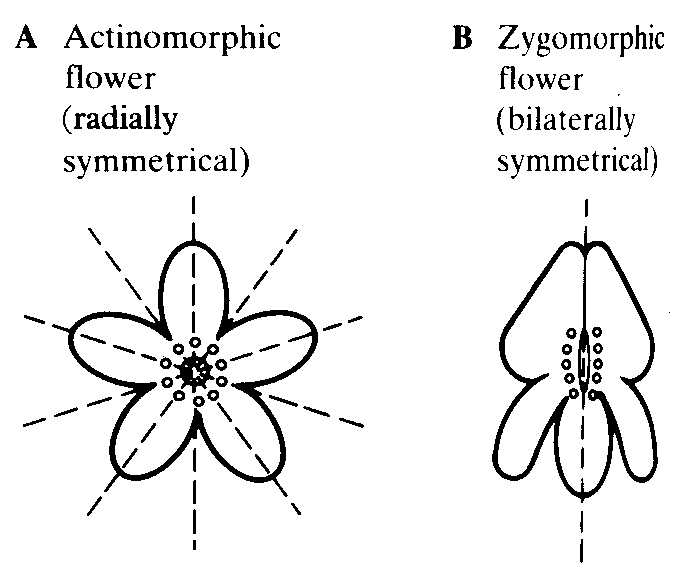

Flowers almost always hold an axis of symmetry, and are able to be divided into two or more mirror images. Two common types of symmetry are radial and bilateral symmetry. Symmetry should typically be passed onto future generations in a similar way to Mendel's model, although a flower type has proven differently in recent studies. 
C      Carl Linnaeus  (1707-1778) a prominent botanist and zoologist of his time, well known for his development of binomial nomenclature, first discovered a peculiar plant now named Linaria vulgaris. Linnaeus described the plant as having a radially symmetric mutant (Gustafsson, 1979). The Linaria vulgaris is naturally occurring in both types of symmetry, thus not created in a laboratory. In 1999 the cause of this peculiar genetic notion was uncovered by researchers. (Cubas et al, 1999)

Scientists found that the radially symmetric phenotype was the result of methylation at a gene site "Lcyc." In the radially symmetric mutant phenotype the researchers describe, "The Lcyc gene is extensively methylated and transcriptionally silent in the mutant. This modification is heritable and cosegregates with the mutant phenotype." (Cubas et al, 1999). The radially symmetric mutant phenotype often even reverts back to bilateral symmetry during somatic development.


[Linaria vulgaris occurring with bilateral symmetry (left) and radial symmetry (right).]


This epigenetic ability to exist with two distinct different phenotypes of plant symmetry is revolutionary. It is a heritable epigenetic modification that affects plants in a drastic way. The scientists conclude, "This indicates that epigenetic mutations may play a more significant role in evolution than has hitherto been suspected" (Cubas et al, 1999). Indeed, this drastic modification in phenotype proves epigenetics and evolution are intertwined. 

Research has shown that the shape of a flower makes a large impact on the types of pollinators. For example, "...each category of pollinator (beetles, small, and medium-large bees) is associated with a syndrome of dependent floral characteristics (size, shape, and reward)," as described by Dafni et. al. when studying the implications of flower shape on pollination (Dafni et al, 1997). That being said, the ability for the Linaria vulgaris to change its symmetry epigenetically means the plant is able to rapidly evolve between generations and at different times in its life. This could give the flower the ability to adapt to the type of pollinators present at a given time. 

Evolution and epigenetics is clearly demonstrated through the methylation of the Lcyc gene in the Linaria vulgaris and demonstrates a type of change in the phenotype that can prove to be advantageous to the plant. 


References:

Cubas, P., Vincent, C., & Coen, E. (1999). An epigenetic mutation responsible for natural variation in floral symmetry. Nature, 401(6749), 157-161. http://www.nature.com/nature/journal/v401/n6749/full/401157a0.html


Dafni, A., & Kevan, P. G. (1997). FLOWER SIZE AND SHAPE: IMPLICATIONS IN POLLINATION. Israel Journal of Plant Sciences, 45(2-3), 201-211. doi: 10.1080/07929978.1997.10676684

Gustafsson, Å. (1979). Linnaeus' Peloria: The history of a monster. Theoretical and Applied Genetics, 54(6), 241-248. doi: 10.1007/BF00281206

Pictures all accessed 21/04/2015 and referenced from top to bottom of blog entry:

http://www.zo.utexas.edu/faculty/sjasper/images/f11.8.jpg
http://www.the-scientist.com/?articles.view/articleNo/19582/title/Notebook/
http://blog.tonge-moor.bolton.sch.uk/year6/wp-content/uploads/sites/8/2015/01/Linnaeus-290x3201.jpg
https://blogger.googleusercontent.com/img/b/R29vZ2xl/AVvXsEh9iT-VzfBX9GdZSmOoFPUGvBVQ68BBXKq_FdQowW9PmLUTrR_DdMxevrTcl7pOVtltQMcJ69dP_ugafLPauxYM3MG6HsSyGlqXXU-EZJRVQ8dWfezoLdz16SthVA2VYFdC0zzn40jjwHB8/s1600/flower+radial+bilateral.gif


Sunday, 19 April 2015

Epigenetics and Twins

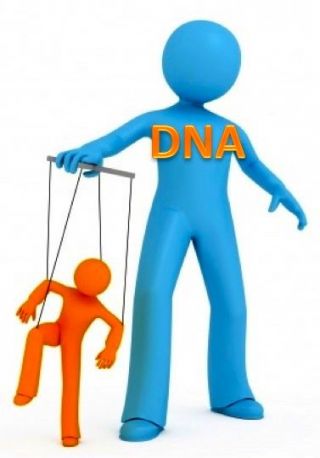
Is our DNA controlling our future? How much do our choices affect our bodies?


PBS.org created a documentary highlighting epigenetics, this short clip will be discussed. 


The focus of the video is research regarding identical twins. Beginning in Madrid, researchers display two epigenomes: one from young identical twins, and one from elder identical twins. It is clear that the young identical twins have an extremely large amount of overlap of the epigenome, while the elder twins have little overlap. This study demonstrates the effect that individuals' environment has on their gene expression. Over time, twins develop differences within the epigenome based on their decisions, health, and environment. These differences affect their DNA on an epigenetic level, thus some genes are turned on while others off depending on the persons life decisions. 


While twins may have the same DNA sequences it is epigenetic tags that regulate the expression thus changing what was originally provided from the parents. Whether or not a gene is expressed can drastically change many aspects of an individual. Over a lifetime the expression or suppression of genes slowly occurs, resulting in differences between twins. This is how epigenetics can effect behaviors. Decisions individuals make will lead to epigenetic changes in their genome that then impact future behaviors and even that of the next generation. These epigenetic differences between twins were what was displayed in the video when viewing the overlapped epigenome, and were the results of the research done in Madrid.


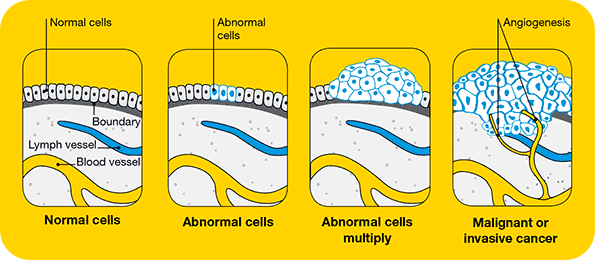
Epigenetics is powerful enough to create distinct differences between identical twins, as well as affect an individuals susceptibility to diseases. The second half of the video is dedicated toward epigenetics role in disease therapy. The study explained that expression or silencing of particular genes through epigenetics plays a role in acquiring diseases, and treating diseases. Previous belief was that cancers occur due to only damaged genes, when in reality epigenetic tags are also at fault. While it is concerning that our choices may lead to epigenetic modifications and those modifications can result in future cancer - this notion of epigenetics is monumental in disease treatment because it is easier to change epigenetic tags than fix a damaged gene. 


An epigenetic therapy of various drugs attempts to avoid killing cancer cells (which most cancer treatments do) but rather change the DNA by reactivating genes. The hope is to modify the "instructions" of the cancer cell and change it back toward working as it did before. So far the video states that roughly 50% of patients undergoing epigenetic treatment have gone into remission. 

In conclusion, not only does epigenetics effect human behaviors, but it effects behaviors of cells too
It is clear our decisions greatly impact our epigenome, as presented through the study of twins. How we or the environment impacts our body can affect our life on a phenotypic level, as well as in the epigenome. How one twin behaves may result in gene regulation and their development of a disease that the other twin may not develop. Epigenetics is the key to understanding our behaviors as well as the behavior of cancer cells that were created because of our epigenetic tags. 

Reference:

(2009)
PBS.org/nova/sciencenow
https://www.youtube.com/watch?v=wFsxVkuChdU


Pictures all accessed 19/04/2015 and referenced from top to bottom of blog entry:

https://cdn.psychologytoday.com/sites/default/files/styles/article-inline-half/public/blogs/4343/2014/02/144479-146107.jpg?itok=NRdRhVmb
http://carolguze.com/images/Multifactorial/twins/MZ_twins_2.gif
http://www.blogcdn.com/www.parentdish.com/media/2011/05/twins.jpg
http://www.cancervic.org.au/images/CISS/cancer-types/cancer-beginning.gif


Sunday, 12 April 2015

Human and Ape Epigenetics


             Recently we have uncovered that epigenetic changes are able to be passed on to our offspring. If this is the case, how long has this been occurring? In fact, epigenetic changes in DNA occur in our ape relatives as well. But is human epigenetic modification different than apes?

Scientists recently have been investigating this question and revealed revolutionary findings. In 2012 Shulha et al sought through the field of epigenetics to learn more about what makes us uniquely human.  The group studied a particular histone modification within the DNA of a human, chimpanzee, and macaque prefrontal cortex. (Frontal cortex of various species highlighted in image below). The results showed, "471 sequences with human-specific enrichment or depletion" (Shulha et al, 2012). Therefore nearly 500 gene sequences are specific to humans rather than chimpanzee or macaque for epigenetic modification. This step demonstrates that perhaps an additional factor into the differences in behavior between humans and our relatives are epigenetic changes specific to our species.  


Another study published in 2012 investigates a similar concept. Zeng et al looked to further understand how DNA methylation patterns differed between species and how these differences affected particular traits. The research is similar to Shulha et al in that these scientists also looked at the prefrontal cortex of chimpanzees and humans. By creating, "nucleotide-resolution whole-genome methylation maps," (Zeng et al, 2012), researchers were able to determine that human brains contained hundreds of genes which had lower levels of promoter methylation than chimpanzees. These lower levels were found to also be present in next generation and effect gene expression. As the researchers proclaimed, "Our results demonstrate that differential DNA methylation might be an important molecular mechanism driving gene-expression divergence between human and chimpanzee brains and might potentially contribute to the evolution of disease vulnerabilities. Thus, comparative studies of humans and chimpanzees stand to identify key epigenomic modifications underlying the evolution of human-specific traits." (Zeng et al, 2012).

Both studies demonstrate the importance of understanding epigenetics because it clearly could play an important role in evolution and thus human behavior. The research helps us learn more about the differences between humans and our ancestors, and provides a stepping stone for future research. Evolution and epigenetics are closely related and can both explain much about human behavior.


References:

Shulha HP, Crisci JL, Reshetov D, Tushir JS, Cheung I, et al. (2012) Human-Specific Histone Methylation Signatures at Transcription Start Sites in Prefrontal Neurons. PLoS Biol 10(11): e1001427. doi:10.1371/journal.pbio.1001427

Zeng, J., Konopka, G., Hunt, B. G., Preuss, T. M., Geschwind, D., & Yi, S. V. (2012). Divergent Whole-Genome Methylation Maps of Human and Chimpanzee Brains Reveal Epigenetic Basis of Human Regulatory Evolution. American Journal of Human Genetics91(3), 455–465. doi:10.1016/j.ajhg.2012.07.024


Pictures all accessed 12/04/2015 and referenced from top to bottom of blog entry:


http://theadvancedapes.com/wp-content/uploads/2013/06/cadelllast_24677585214750_small.jpg

http://blogs.scientificamerican.com/beautiful-minds/files/2013/05/Semendeferi-Damasio1-300x216.png
http://www.redorbit.com/media/uploads/2013/02/humanchimp.jpg
http://zenbullets.com/blog/images/bigbrains.gif

Sunday, 29 March 2015

Epigenetics and Drug Habituation


Science Magazine published an article that began by investigating epigenetic effects of maternal behavior in rats (Miller, 2010), and further discussed epigenetic effects in rats related to drug addiction. Last week we spoke of how epigenetic modifications linked maternal care to stress response in rats. The article continues to elaborate on other epigenetic research conducted in rodents, specifically that undertaken by Eric Nestler. Nestler's studies have concluded that in rodents, cocaine creates epigenetic changes in the genome that, "make the brain more sensitive to the next dose," as stated by Nestler (Miller, 2010).

Nestler administered cocaine in the rat model and identified that repeated administration caused suppression of methylation on a specific histone. This suppression occurred within the nucleus accumbens, responsible for pleasure and reward in our brain.

But what does this suppression cause?

Suppression of methylation on this histone in rats that had never been exposed to cocaine resulted in a growth of extra dendritic spines


These spines extend off the dendrite of a neuron and are what causes the neurons to be more sensitive.

Nestler also found that suppression of methylation on this histone increased rats yearning for cocaine after they had finally tried the drug.

Stop! What if instead of suppressing methylation we enhanced methylation?

Nestler researched this as well. He found that enhancing methylation of that histone reduced rats yearning for cocaine.

Unfortunately for us, Nestler states in the article that any applications of this in human drug addicts are far from completion. Although these epigenetic changes are a key link into formulating new addiction treatments.


Reference:

Miller, G. (2010). The Seductive Allure of Behavioral Epigenetics. Science Magazine, 329 (5987), 24-27. doi: 10.1126/science.329.5987.24

Pictures all accessed 28/03/2015 and referenced from top to bottom of blog entry:
https://anr-search.labri.fr/web/wp-content/uploads/2013/01/Science-Magazine-logo.png
http://facultystaff.vwc.edu/~jeaster/courseinfo/312/gif/Nature2002/cocaine.gif
http://upload.wikimedia.org/wikipedia/commons/b/b1/Dendritic_spines.jpg
http://www.clipartbest.com/cliparts/dcr/M6A/dcrM6AMc9.png


Sunday, 22 March 2015

Epigenetics and Maternal Behavior


Science Magazine published an intriguing article overviewing multiple scientists' research on the relationship epigenetics has on maternal behavior in rats (Miller, 2010). This article expands on various topics and thus will be investigated in part this week, and then again next week. The article begins by exploring the research done by Michael Meaney and Moshe Szyf, published in Nature Neuroscience (Weaver, 2004)Rats vary in ways they nurture their pups - some mothers provide easy accessibility to milk and groom their young frequently, and other mothers do not spend as much time with their pups. Rats interactions between pups and their mothers were monitored. Scientist Michael Meaney determined in 2004 that, after various stress inducing tests, pups raised by mothers that provided less nurturing did not respond to stress as well as the others (For example exhibited a surge of cortisone when the rat was placed in a confining tube).


Meaney concluded that this stress sensitivity was because of a reduction in glucocorticoid receptors caused by DNA methylation of a particular gene. Methyl groups on a particular site blocked the transcription of the gene and thus production of more receptors could not be achieved.

Therefore, neglectful maternal care resulted in specific alterations in receptors that were involved in response to stress, affecting genes in a long term way. Maternal neglect caused changes in gene expression that made offspring anxious and worse at handling stressful situations.


It is difficult to grasp that the innocent rat pup's genetics were physically altered by less frequent parenting behavior, and this caused neurological differences compared to the other pups. With such a dramatic outcome, could it be possible to reverse the affects the mother rats instilled on their pups? Science Magazine claims, "Subsequent experiments showed that enzymes that reverse DNA methylation of the glucocorticoid receptor gene also reverse the effects of unenthusiastic mothering on the offspring’s hormonal and behavioral responses to stress" (Miller, 2010, pg. 25). Reversal due to particular enzymes proves to be a promising future for the rat pups. If it is possible that maternal behavior neurologically affects the rat pups, could it be that this occurs in human children as well? (Figure 1). While this has not been studied as in depth as in rats, these findings may play a key role in the pharmaceutical industry and our understanding of drugs. This topic is also discussed in Science Magazine's article and will be explored more next week. 


(Figure 1. Adapted from "The Seductive Allure of Behavioral Epigenetics" by G. Miller, 2010, Science Magazine329 (5987), 25) 


Reference:

Miller, G. (2010). The Seductive Allure of Behavioral Epigenetics. Science Magazine, 329 (5987), 24-27. doi: 10.1126/science.329.5987.24
Weaver IC, C. N., Champagne FA, D'Alessio AC, Sharma S, Seckl JR, Dymov S, Szyf M, Meaney MJ. (2004). Epigenetic Programming by Maternal Behavior. Nature Neuroscience, 7(8), 847-854. 

Pictures: [From top to bottom of entry] All accessed 22/03/2015.
https://anr-search.labri.fr/web/wp-content/uploads/2013/01/Science-Magazine-logo.png
http://www.humane-endpoints.info/eng/images/stories/fotos/restraining_tube_rat.jpg
http://www.visembryo.com/images/rat%20mother%20and%20pups.jpg
"The Seductive Allure of Behavioral Epigenetics" by G. Miller, 2010, Science Magazine329 (5987), 25

Sunday, 15 March 2015

Epigenetics Overview


Epigenetics Overview

Darwin coined that evolutionary change be due in part to genetic variation and heritability. The concept of passing genes to a future generation and changes in the genetic sequence, are typically understood as occurring within the genotype and thus DNA sequence. Genetics refers to the gene sequence within our chromosomes, on contrary epigenetics is other factors that control gene expression. Epigenetics is the study of cellular and trait variations that do not occur because of a change in the DNA sequence and cause heritable changes in gene expression. In short, epigenetics investigates changes in the phenotype without a change in the genotype. Both DNA methylation and histone modification have been noted as mechanisms that result in epigenetic change since the modification does not affect the DNA sequence. These modifications determine how much or whether a gene is expressed in your body. Since these epigenetic changes are heritable, they can also impact evolution.  

Prior to roughly 1970, it was widely believed that certain behaviors or choices were not heritable to future generations, although that has been disproven through epigenetic studies. For example, a person that smokes and overeats could pass that epigenetic information to their offspring. Some epigenetic information is lost and replaced with different information to the future generation, although some may remain. Therefore that person who smokes and overeats may only pass on the trait of smoking, while the trait of overeating was lost. This is all due to which genes are expressed through epigenetics. The DNA methylation may "turn on" particular genes or the histone may contract to hide particular pieces of DNA. 

This implies that behaviors or occurrences in the parents' environment could drastically affect the genetic expression of their children. Studying epigenetics can help our understanding of gene expression and how to regulate gene expression. This understanding could lead to scientists silencing epigenetic expression of unfavorable genes such as those that could lead to cancers. It also implies that our DNA (genetic material itself) is not the only factor of "who we are" and that environment does play a key role in gene expression. Epigenetics is a new field of study that will impact future generations and potentially enhance their lives.